
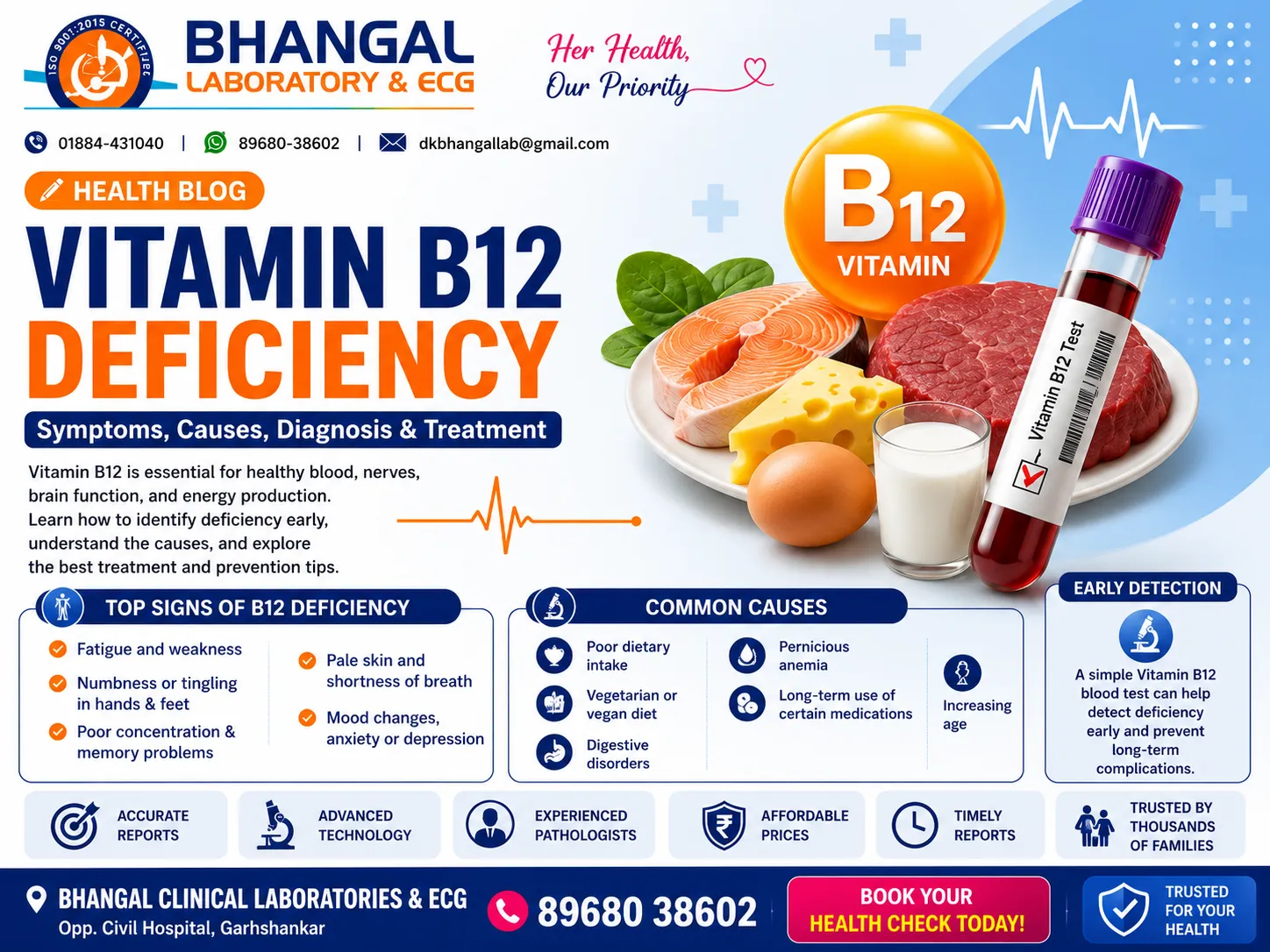
Vitamin B12 deficiency is a common nutritional disorder that affects millions of people worldwide. Vitamin B12, also known as cobalamin, is an essential water-soluble vitamin required for healthy red blood cell formation, proper nerve function, DNA synthesis, and energy production. Because the human body cannot produce Vitamin B12 on its own, it must be obtained through food or supplements. When the body does not receive enough Vitamin B12 or cannot absorb it effectively, deficiency develops gradually and may lead to fatigue, weakness, nerve damage, anemia, and cognitive problems. Since the symptoms often appear slowly, many people remain undiagnosed for months or even years. Early detection through a simple blood test allows timely treatment and helps prevent long-term health complications.

What is Vitamin B12?
Vitamin B12 is an essential nutrient that plays a crucial role in maintaining overall health. It helps the body produce healthy red blood cells, supports the nervous system, and assists in DNA production. Adequate Vitamin B12 levels are also important for maintaining brain function, improving concentration, and converting food into energy. Since this vitamin is primarily found in animal-based foods, strict vegetarians and vegans are more likely to develop deficiency unless they consume fortified foods or supplements. Certain digestive disorders, medications, and age-related changes can also reduce Vitamin B12 absorption, making regular health checkups increasingly important.
Symptoms of Vitamin B12 Deficiency
The symptoms of Vitamin B12 deficiency can vary depending on its severity and duration. Initially, many people experience mild fatigue or weakness, but prolonged deficiency may affect the nervous system and lead to more serious health problems. Because these symptoms are often mistaken for stress or aging, laboratory testing is the most reliable way to confirm the diagnosis.
- Persistent tiredness and fatigue
- Weakness or reduced stamina
- Pale or yellowish skin
- Shortness of breath
- Dizziness
- Numbness or tingling in hands and feet
- Difficulty walking or poor balance
- Memory problems
- Difficulty concentrating
- Mood changes, anxiety, or depression
- Frequent headaches
- Glossitis (swollen, sore tongue)
Health Tip
Persistent fatigue and tingling sensations in your hands or feet should never be ignored. A simple Vitamin B12 blood test can help identify deficiency before permanent nerve damage develops.
Common Causes of Vitamin B12 Deficiency
Vitamin B12 deficiency develops when the body does not receive enough Vitamin B12 through diet or cannot absorb it efficiently from the digestive tract. While inadequate dietary intake is a common reason, many medical conditions and medications can also interfere with Vitamin B12 absorption. Identifying the underlying cause is important because treatment varies depending on the reason behind the deficiency.
- Strict vegetarian or vegan diet
- Poor dietary intake of animal-based foods
- Pernicious anemia
- Long-term use of acid-reducing medications
- Metformin use in people with diabetes
- Crohn's disease
- Celiac disease
- Previous stomach or intestinal surgery
- Digestive disorders affecting nutrient absorption
- Increasing age leading to reduced Vitamin B12 absorption
Who is at Higher Risk?
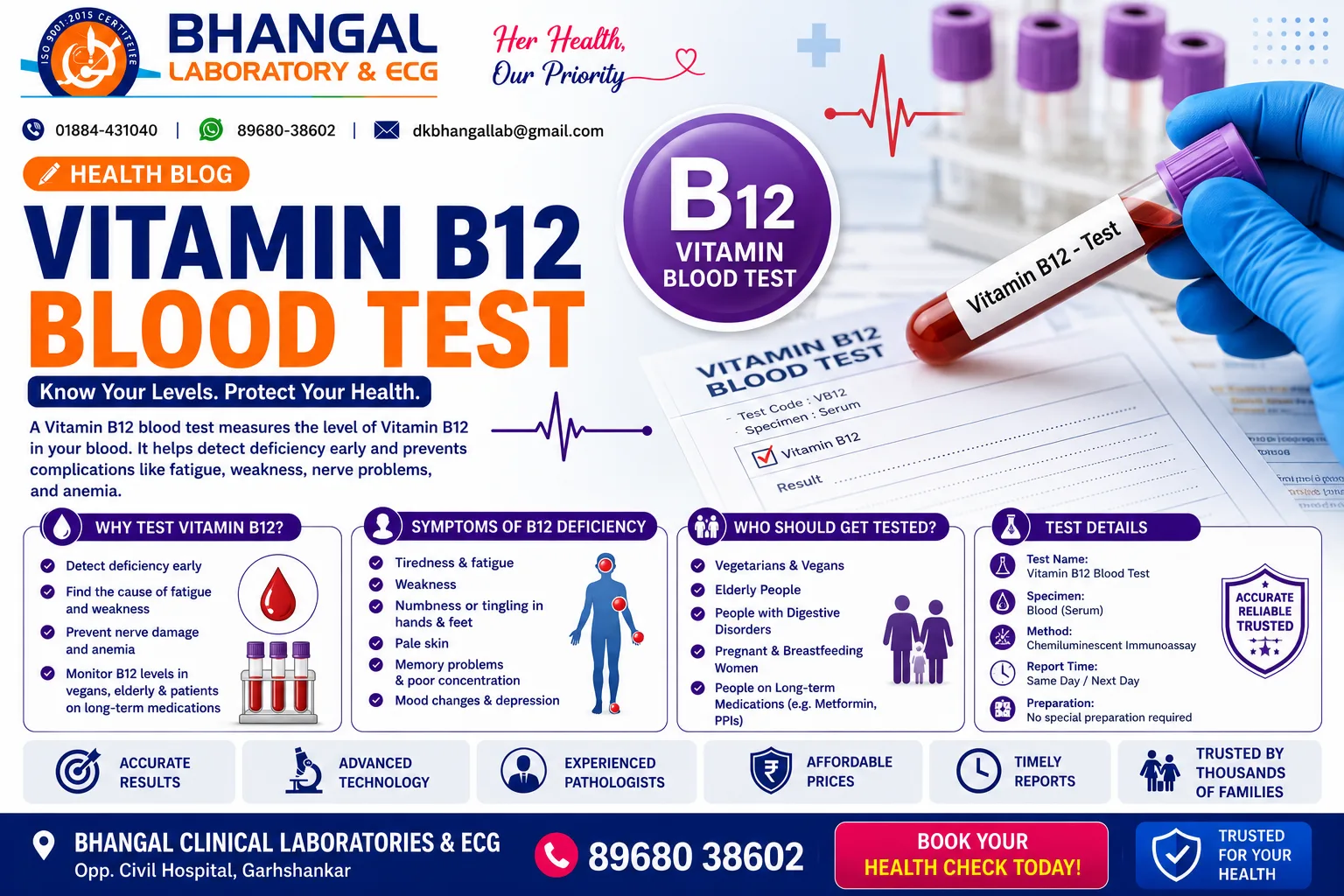
Although Vitamin B12 deficiency can affect anyone, certain groups have a significantly higher risk. Older adults often absorb less Vitamin B12 because stomach acid production naturally decreases with age. People following vegetarian or vegan diets may not consume enough Vitamin B12 since it is primarily found in animal-derived foods. Individuals with digestive disorders, autoimmune diseases, or those taking medications that reduce stomach acid are also more likely to develop deficiency. Pregnant women, breastfeeding mothers, and patients recovering from stomach surgery should discuss Vitamin B12 monitoring with their healthcare provider.
How is Vitamin B12 Deficiency Diagnosed?
Vitamin B12 deficiency is diagnosed through laboratory investigations combined with a medical evaluation. The primary test is a Vitamin B12 blood test, which measures the amount of Vitamin B12 circulating in the bloodstream. Depending on the symptoms and initial results, healthcare providers may recommend additional tests such as a Complete Blood Count (CBC), Folate Test, Methylmalonic Acid (MMA), or Homocysteine Test. These investigations help determine the severity of the deficiency and identify whether anemia or nerve involvement is present.
- Vitamin B12 Blood Test
- Complete Blood Count (CBC)
- Folate Level Test
- Methylmalonic Acid (MMA) Test
- Homocysteine Test
- Peripheral Blood Smear (if recommended)
Important
Do not start Vitamin B12 supplements without proper evaluation if you have persistent fatigue, numbness, or anemia. Self-treatment may temporarily improve blood test results while delaying the diagnosis of an underlying medical condition requiring specific treatment.
Best Food Sources of Vitamin B12
A balanced diet is one of the best ways to maintain healthy Vitamin B12 levels. Since Vitamin B12 is naturally found in animal-based foods, individuals who regularly consume these foods are less likely to develop deficiency. Vegetarians and vegans should consider fortified foods or supplements after consulting a healthcare professional. Maintaining a nutritious diet alongside routine health checkups can significantly reduce the risk of deficiency.
- Fish such as salmon, tuna, and sardines
- Chicken and lean meat
- Liver and organ meats
- Eggs
- Milk and dairy products
- Cheese
- Yogurt
- Fortified breakfast cereals
- Fortified plant-based milk
- Nutritional yeast fortified with Vitamin B12

Treatment Options
Treatment for Vitamin B12 deficiency depends on the underlying cause and the severity of the deficiency. Mild cases caused by poor dietary intake can often be managed with Vitamin B12-rich foods and oral supplements. Moderate or severe deficiency, especially when neurological symptoms are present, may require Vitamin B12 injections followed by maintenance therapy. Individuals with absorption disorders may need lifelong supplementation. Regular blood tests are important to monitor treatment progress and ensure Vitamin B12 levels return to the normal range.
Possible Complications if Left Untreated
Ignoring Vitamin B12 deficiency for a prolonged period can result in serious health complications. While anemia often improves after treatment, long-standing nerve damage may become difficult to reverse. This is why early diagnosis and timely medical intervention are extremely important.
- Megaloblastic anemia
- Permanent nerve damage
- Memory impairment
- Difficulty maintaining balance
- Reduced concentration
- Mood disorders
- Muscle weakness
- Increased risk of falls in older adults
Good News
Most people recover completely when Vitamin B12 deficiency is diagnosed early and treated appropriately. Routine blood testing allows healthcare providers to monitor recovery and adjust treatment whenever necessary.
How to Prevent Vitamin B12 Deficiency
Preventing Vitamin B12 deficiency is often easier than treating its long-term complications. Eating a balanced diet, understanding personal risk factors, and scheduling regular preventive health checkups can help maintain healthy Vitamin B12 levels throughout life.
- Eat Vitamin B12-rich foods regularly
- Choose fortified foods if you follow a vegetarian or vegan diet
- Discuss supplements with your healthcare provider when needed
- Manage digestive disorders appropriately
- Avoid self-medicating with unnecessary supplements
- Schedule routine preventive health screenings
- Monitor Vitamin B12 levels if you take Metformin or acid-reducing medicines long-term
Conclusion
Vitamin B12 deficiency is a common but often overlooked health condition that can significantly affect your quality of life if left untreated. Because the symptoms usually develop gradually, many individuals attribute fatigue, weakness, memory problems, or tingling sensations to stress or aging rather than an underlying nutritional deficiency. Fortunately, Vitamin B12 deficiency can be diagnosed accurately through simple laboratory blood tests and treated effectively when identified early. Maintaining a balanced diet, understanding your personal risk factors, and undergoing regular preventive health screenings are essential steps toward protecting your long-term health. If you experience persistent fatigue, numbness, difficulty concentrating, or symptoms of anemia, consult a healthcare professional and consider getting your Vitamin B12 levels tested. Early diagnosis and timely treatment can help restore energy, improve nerve function, and prevent long-term complications.
Key Takeaway
Vitamin B12 deficiency is highly treatable when detected early. Routine blood tests, a balanced diet, appropriate supplementation when required, and regular preventive health checkups are the most effective ways to maintain healthy Vitamin B12 levels and support lifelong brain, nerve, and blood health.
Common Questions
Find answers to the most commonly asked questions about this health topic.
Early symptoms commonly include fatigue, weakness, dizziness, pale skin, poor concentration, numbness or tingling in the hands and feet, and reduced stamina. Since these symptoms are not specific, a Vitamin B12 blood test is recommended for accurate diagnosis.
Vitamin B12 deficiency is primarily diagnosed using a Vitamin B12 blood test. Depending on your symptoms, your healthcare provider may also recommend tests such as a Complete Blood Count (CBC), Folate Test, Methylmalonic Acid (MMA), or Homocysteine Test.
Older adults, vegetarians, vegans, people with digestive disorders, individuals taking Metformin or acid-reducing medications, and patients who have undergone stomach or intestinal surgery are at increased risk of Vitamin B12 deficiency.
Yes. Most people recover completely when the deficiency is diagnosed early and treated appropriately with dietary improvements, Vitamin B12 supplements, or injections, depending on the underlying cause.
Excellent dietary sources include fish, meat, eggs, milk, cheese, yogurt, fortified cereals, fortified plant-based milk, and other fortified food products.
Individuals with risk factors such as vegetarian diets, digestive disorders, diabetes treated with Metformin, or previous Vitamin B12 deficiency should discuss regular monitoring with their healthcare provider. Routine preventive health checkups can help detect deficiency before complications develop.
Related Health Packages
Based on this article, these diagnostic tests and preventive health packages may help you better understand your health. Always consult a qualified healthcare professional before choosing any laboratory test or health package.
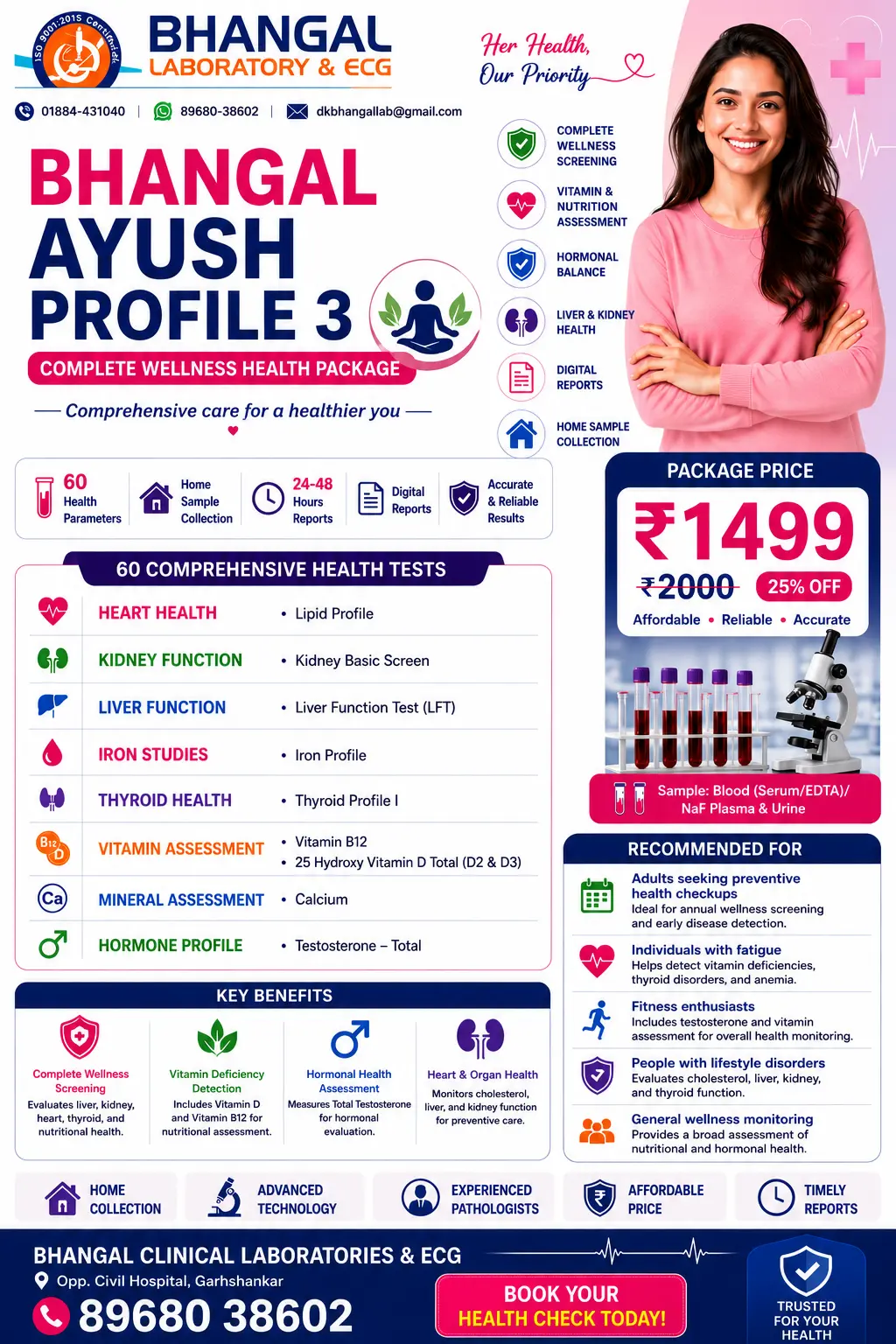
Bhangal Ayush Profile 3
Starting From
₹1499
₹2000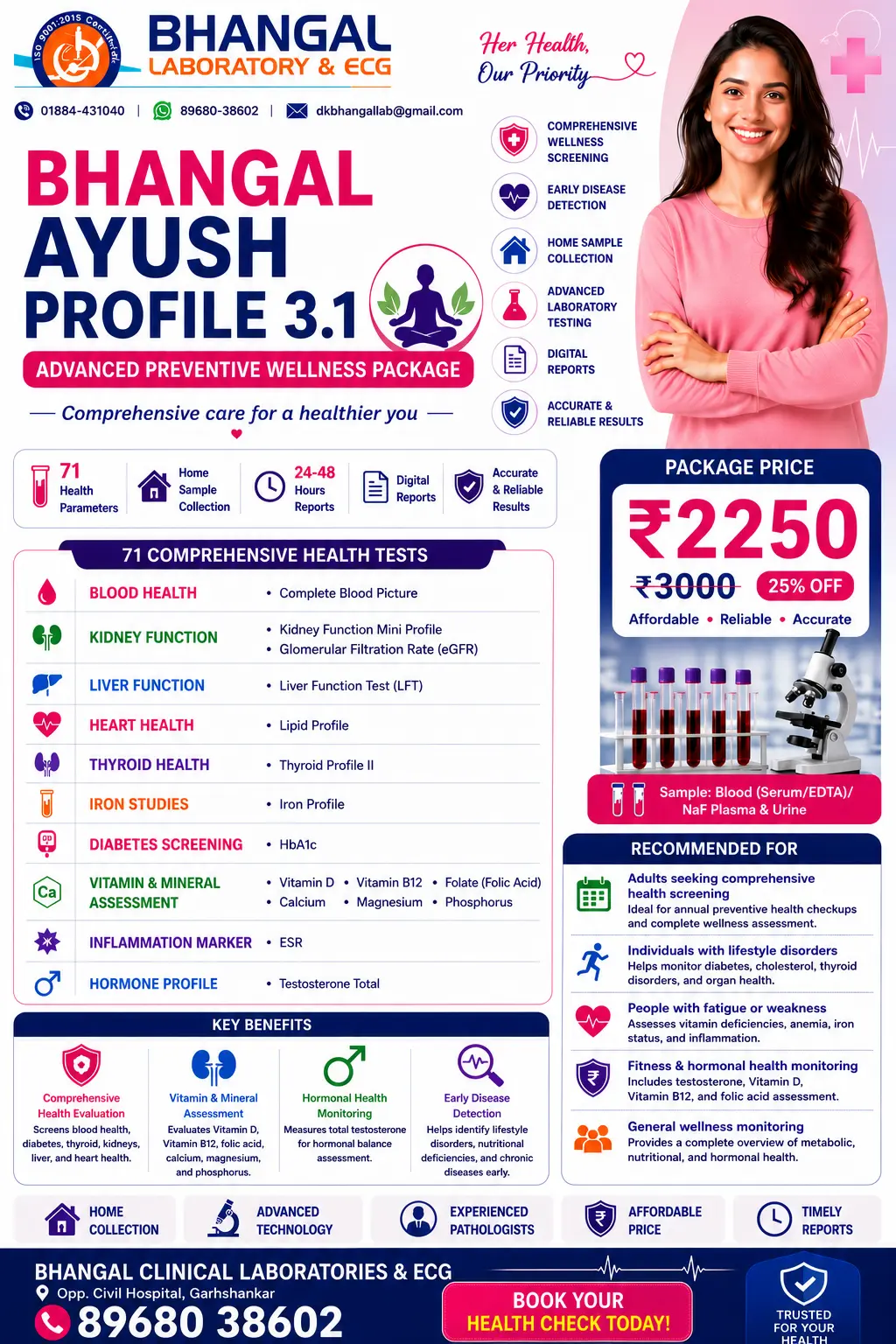
Bhangal Ayush Profile 3.1
Starting From
₹2250
₹3000
BCL 4.0 Female Complete Women's Health Package
Starting From
₹2999
₹4999
Bhangal Senior Citizen Profile
Starting From
₹2999
₹4000
BCL MED Pro 65 Package
Starting From
₹3000
₹4999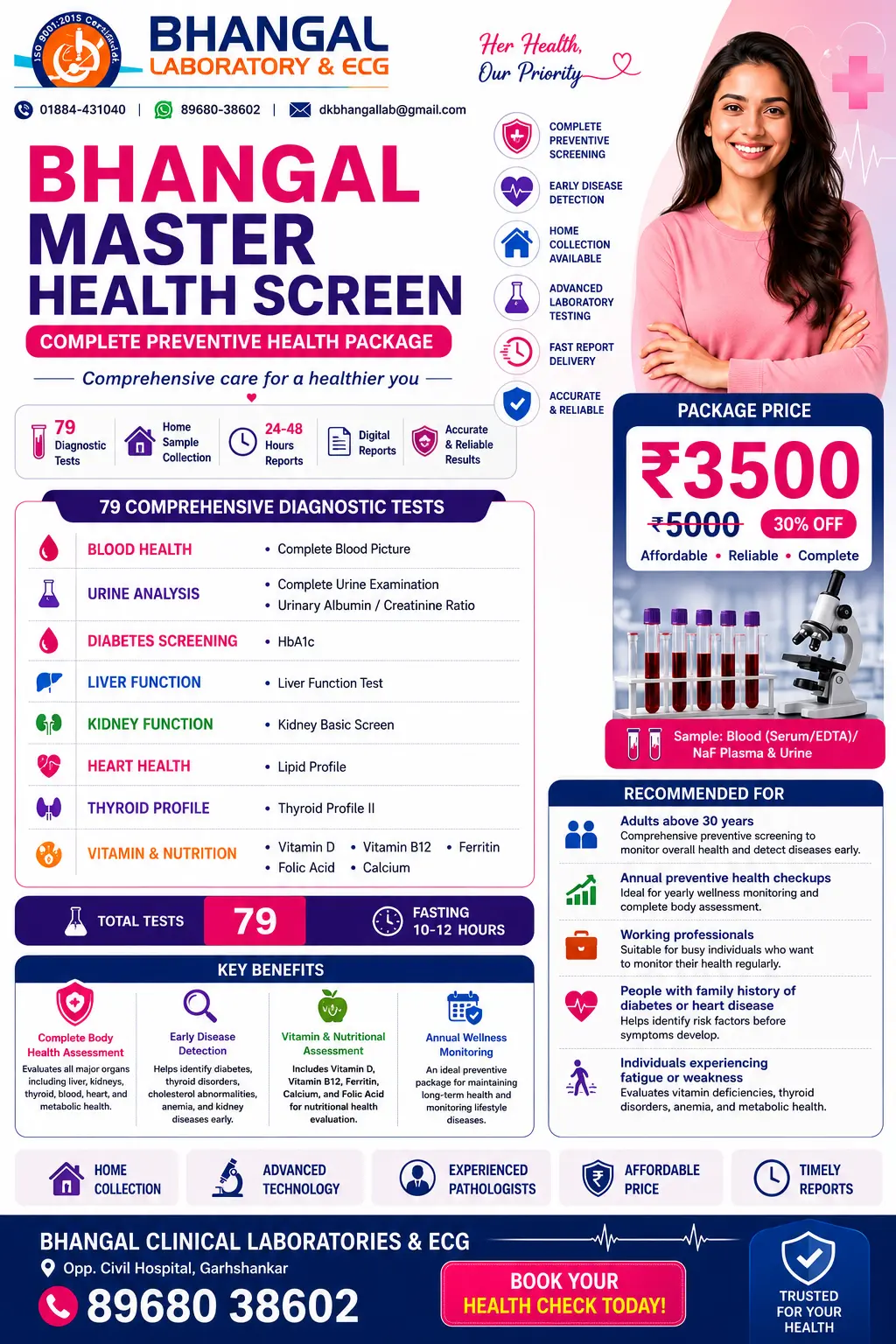
Bhangal Master Health Screen
Starting From